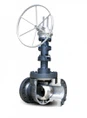
1. Overview
1. PN type ball valve: suitable for the pipeline system with working pressure of 2.5MPa and below, divided into PN10, PN16, PN25 and other levels according to the volume, the applicable temperature of PN10 ball valve is -40 degree ~150 degree , and the applicable temperature of PN16~PN25 ball valve is -29 degree ~300 degree .
2. Class type ball valve: suitable for pipeline system with working pressure of 2.5MPa and above, the common grades are 150, 300, 600, 900, 1500, 2500 and other levels, and the applicable temperature range is -29 degree ~200 degree .
3. Material model: According to the material of the ball valve, it can be divided into stainless steel ball valve, cast iron ball valve, copper ball valve and other different models.
3. Size
The size of the ball valve refers to the diameter of the ball valve, and the common sizes are DN15, DN20, DN25, DN32, DN40, DN50, etc., where DN refers to the nominal diameter. Different pipelines require different sizes of ball valves, and the size of the ball valve should be selected taking into account the working pressure and flow requirements.
1. Valve characteristics: The valve characteristics of ball valves are divided into opening degree, valve flow coefficient and valve flow rate coefficient, etc., and ball valves with different characteristics are suitable for different occasions.
2. Radial flow: The diameter flow rate of the ball valve is the flow rate when the diameter is DN, which can be divided into large-diameter ball valve and small-diameter ball valve according to the different hole size.
3. Pressure resistance: The pressure resistance of a ball valve refers to the maximum pressure that a ball valve can withstand under normal working conditions, which is usually determined by the volume and material of the valve.
4. Operation mode: The operation mode of the ball valve is manual, pneumatic, electric and so on.
5. Specifications
1. Valve material: According to the material and working conditions of the ball valve, choose different valve materials, including stainless steel, carbon steel, copper alloy and other materials.
2. Actuator: According to different working conditions and requirements, there are different actuators such as manual, pneumatic, and electric.
3. Working mode: The working mode of ball valve is divided into all-pass, angle-through and straight-through, and different working modes are selected according to the actual work requirements.
6. Types
1. Fixed Ball Valve: Adopt non-detachable structure, suitable for conventional and important piping systems.
2. Serviceable Ball Valve: Composed of a variety of parts, which can be replaced, suitable for system piping and linkage devices that are prone to wear.
3. Pipeline ball valve: suitable for long-distance pipelines, it is necessary to maintain the safety and stability of the pipeline system during long-term operation.
4. Pneumatic ball valve: driven by pneumatic actuator, the on/off state of the ball valve can be controlled by air source.
5. Electric Ball Valve: Driven by an electric actuator, the on/off state of the ball valve can be controlled by the power supply.

May 19, 2024
একটি বার্তা রেখে যান
আগে
কোন তথ্য নেইঅনুসন্ধান পাঠান